Nature & Culture
Wildlife Along the Route
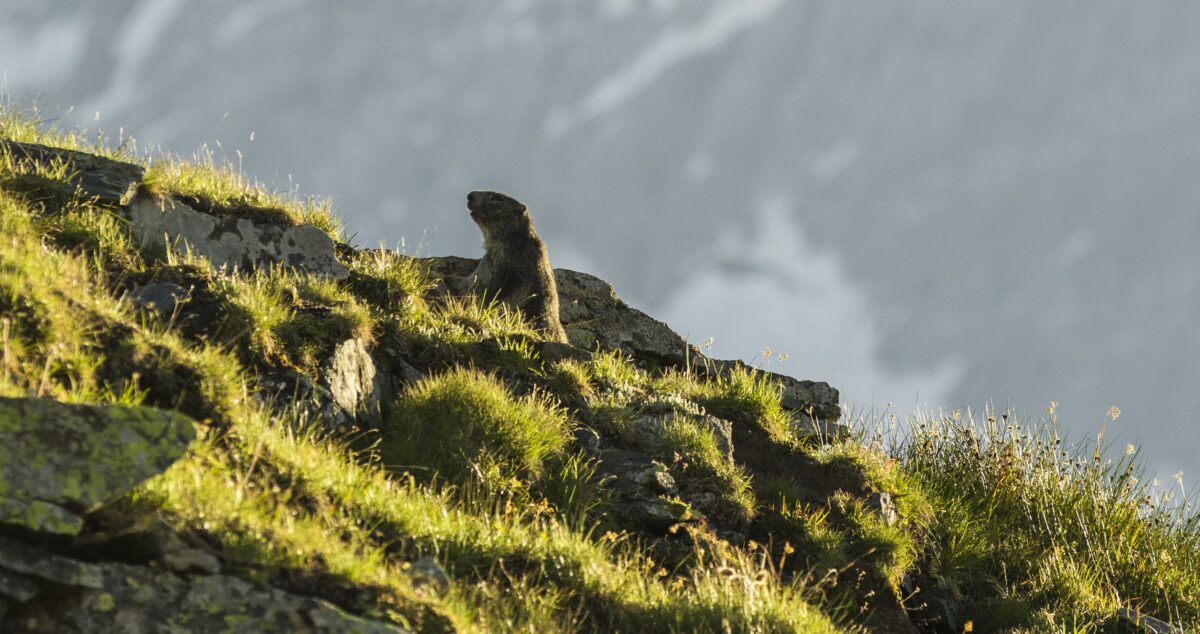
Along the Monte Rosa Tour, you can spot a variety of Alpine animals. With a bit of luck, you might see, for example:
- Marmots in meadows
- Ibex in rocky high-altitude areas
- Chamois on steep mountain slopes
- Golden eagles circling high above the peaks
In addition to these wild animals, you will often see cows, sheep and goats on the Alpine pastures, grazing there in summer.
Alpine Plants
The Monte Rosa Tour takes you through different altitude zones of the Alps. As a result, the plant life is constantly changing.
A large part of the route runs through subalpine and alpine zones. Here, hardy plants grow that are adapted to wind, cold and short summers. Typical examples include:
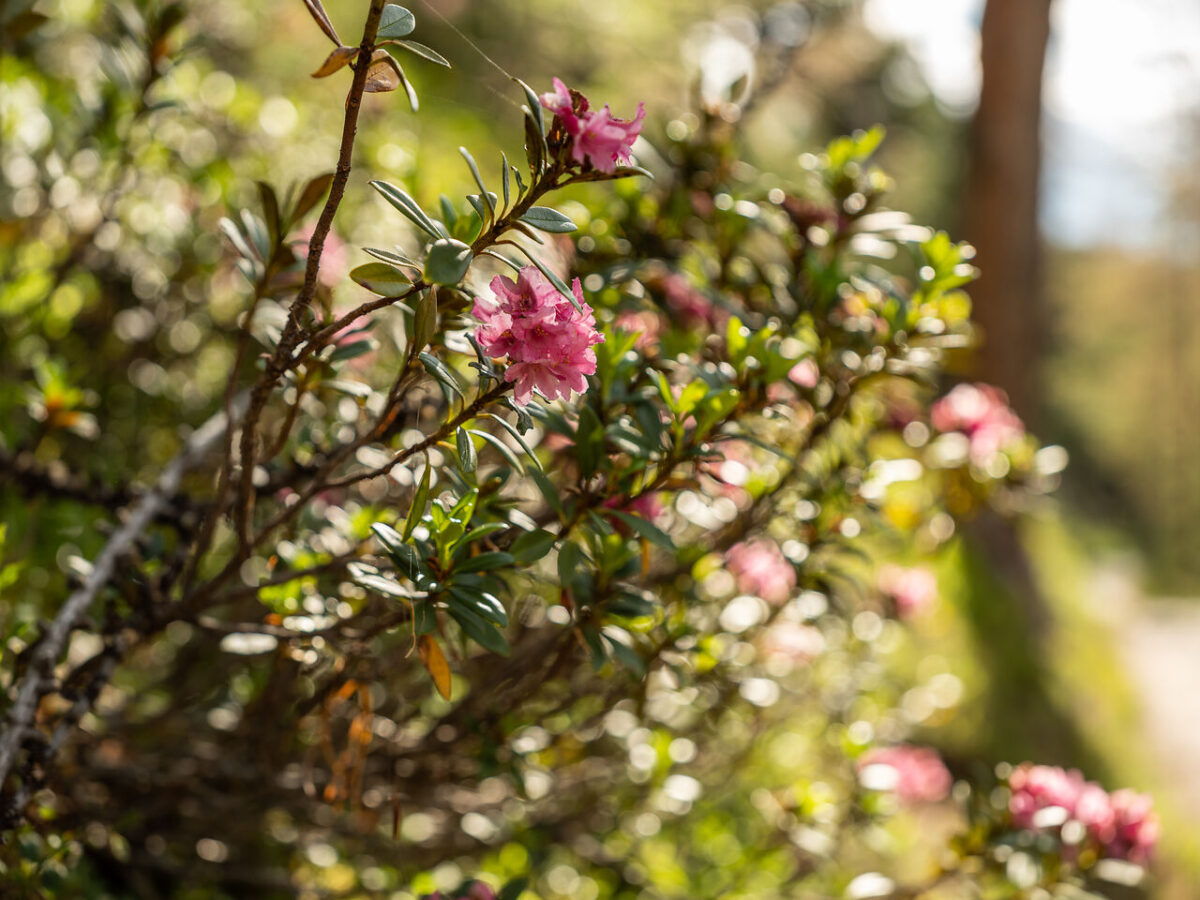
- Alpenroses
- Blueberries
- Edelweiss
- Alpine flowers such as the glacier buttercup
In the highest areas near the glaciers, the nival zone begins. Here, only a few plants still grow—mainly mosses, lichens and a handful of particularly hardy alpine flowers.
Tip for Plant Enthusiasts
If you are interested in the fascinating plant life of the Alps, there are several great ways to discover it up close in the region:
- Saas-Grund: A visit to the Alpine Flower Promenade is especially worthwhile. Along the trail, information boards introduce many typical high-mountain plants.
- Zermatt: The Botanical Nature Trail is a varied themed walk where you can learn more about alpine plants and how they adapt to higher elevations.
- Alagna Valsesia: On the way to the Turlo Pass, on Alpe Fum Bitz, there is a botanical garden by the Alta Valsesia Nature Park House, which also offers an exciting glimpse into alpine flora.

Walser Culture
The Walser are descendants of German-speaking settlers from Upper Valais who, in the Middle Ages, migrated to several high-altitude valleys of the Alps.
To this day, you can recognise their shared origins in their traditional culture and in the Walser language, which is still spoken in some villages. Along the Monte Rosa Tour, Alagna, Macugnaga and Gressoney in particular are strongly shaped by this Walser heritage.